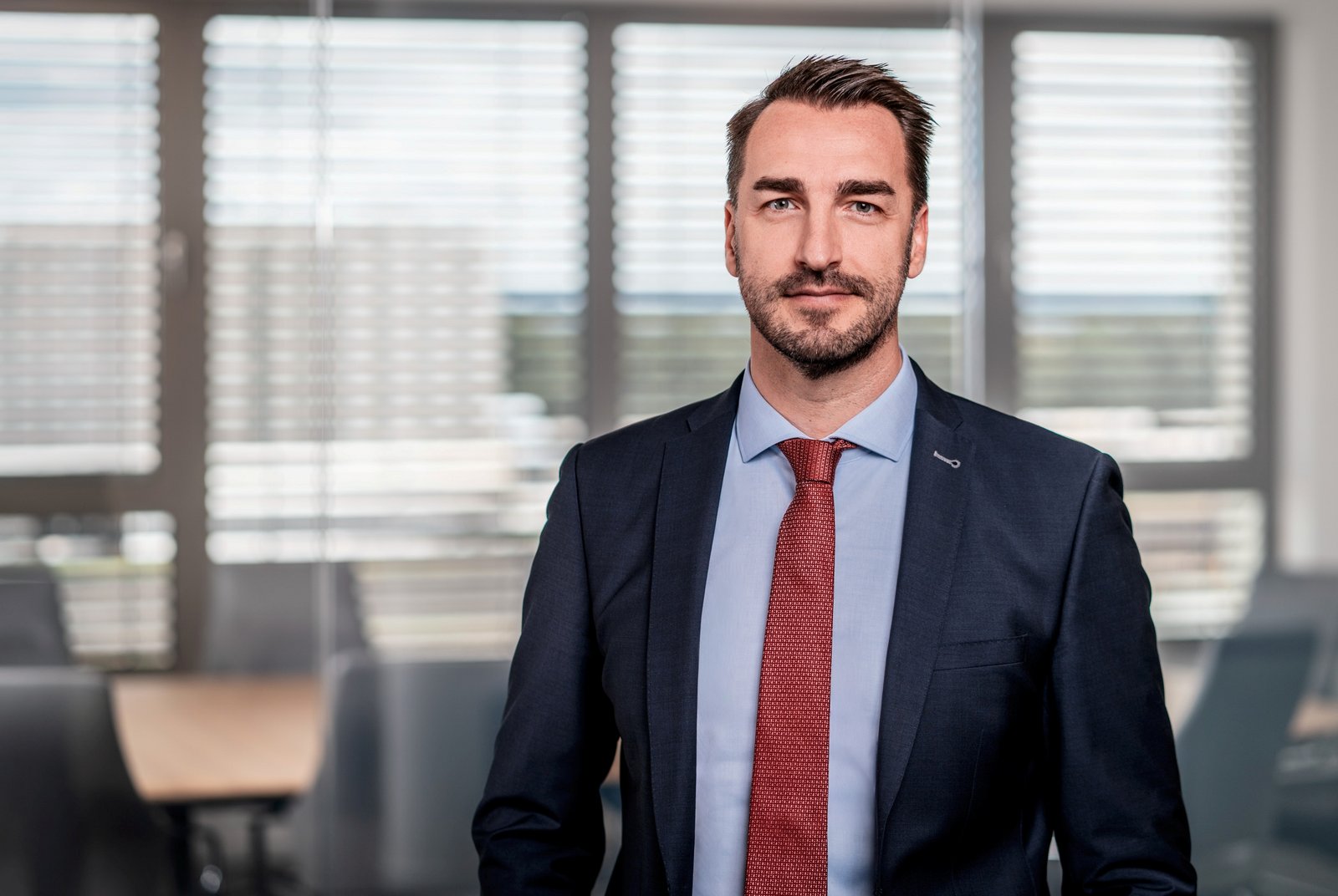
Christian Lorenz
Press Officer
Telephone 0221 / 390 11 90
E-mail lorenzc(at)hgk.de
Häfen und Güterverkehr Köln AG
Press Office
Am Niehler Hafen 2
50735 Cologne


08.09.2026 | Presse-Mitteilung
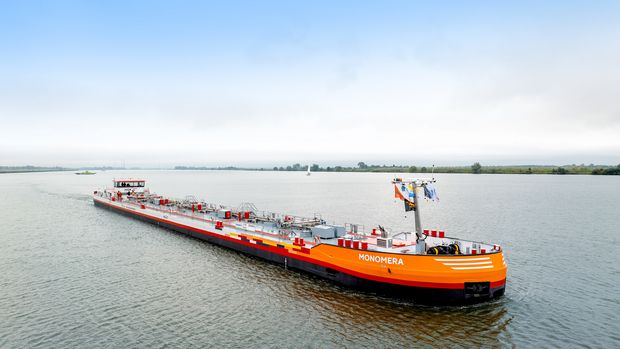
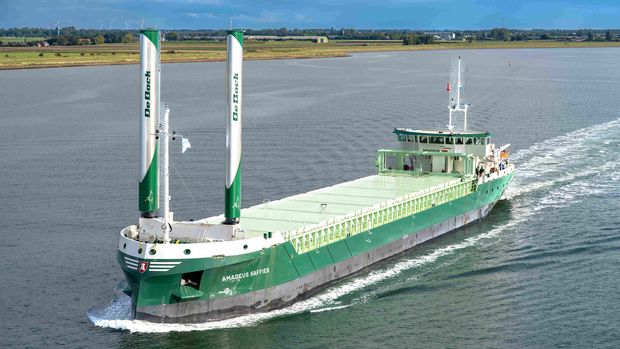
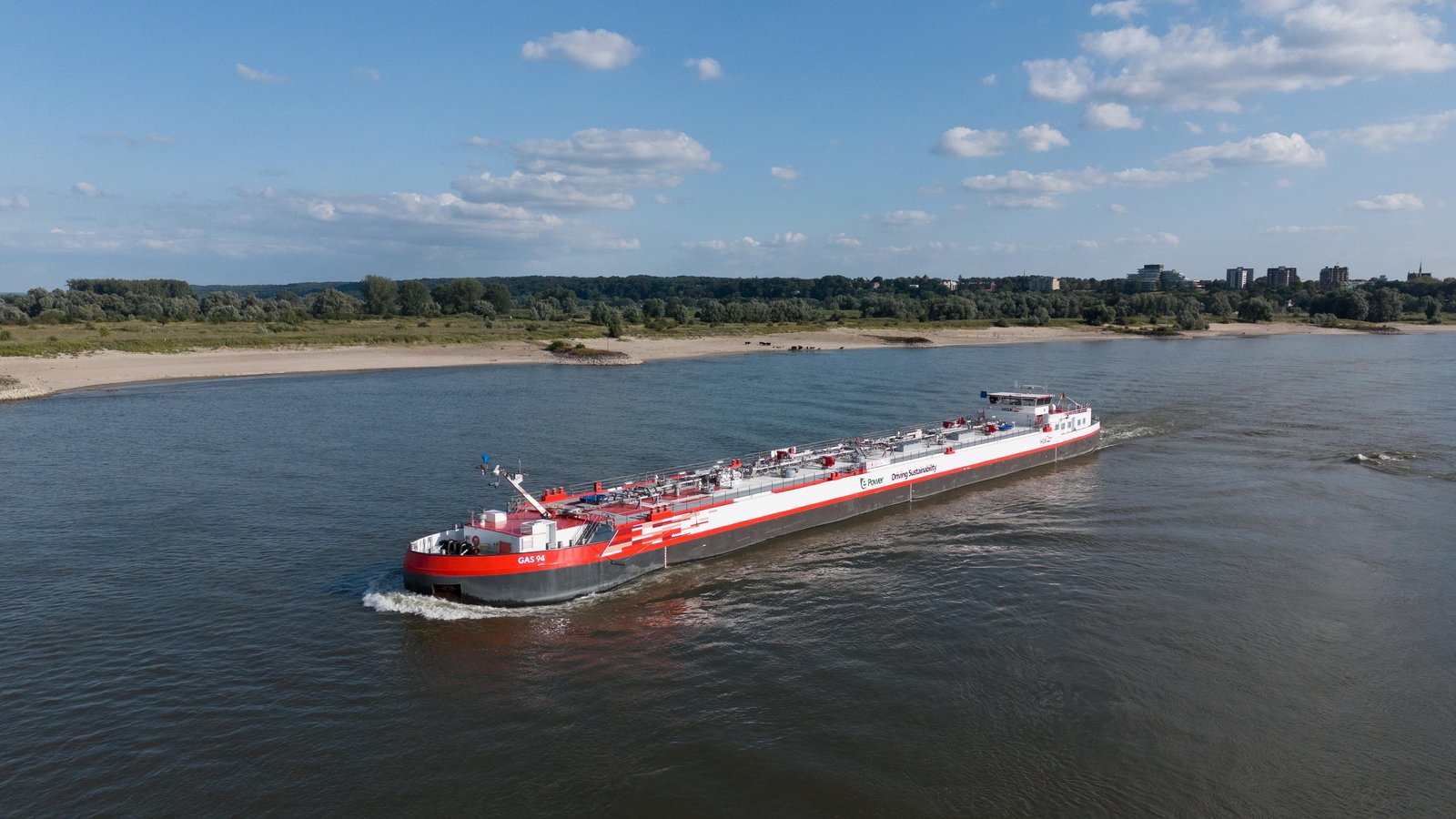
Cologne. How can industrial supply chains continue to function reliably even as periods of low water levels become more frequent? With its ‘Waterways and Fleet Resilience Strategy 2035’, the HGK sets out how the modernisation of inland waterway transport and the expansion of waterways can be driven forward in tandem. By calling for up to 1,000 modern inland cargo vessels in Europe by 2035, the HGK had already, back in August, provided impetus for the urgently needed renewal of the European fleet.
“Low water levels are becoming an ever-greater risk to Germany’s industrial supply chains. That is why we must think beyond individual measures in inland waterway transport too,” says Steffen Bauer, CEO of the HGK Group. “A modern fleet is no substitute for the modernisation of our waterways – and an efficient waterway alone does not make an ageing fleet resilient. Germany needs both.”
From the HGK’s perspective, a long-term policy framework is needed with two key priorities: reliable state investment in inland waterway infrastructure and the accelerated modernisation of the inland waterway fleet. For federal waterways, the concept provides for an investment framework of at least 2.5 billion euros annually, secured across legislative terms. At the same time, the renewal of the European inland waterway freight fleet is to be accelerated.
To this end, Germany should support the acquisition of around 350 new, modern vessels by 2035, thereby contributing to the European target of up to 1,000 vessels. For the shipbuilding pillar, the HGK proposes an investment and funding framework of at least 400 million euros annually from 2027 onwards. This is intended to offset the additional costs associated with future-proof propulsion systems and low-water navigability.
The concept sets out in detail which investments should be supported and what criteria apply. The focus is on demonstrable additional costs incurred to enhance resilience and future-proofing – alongside low-water capability and energy-efficient, future-proof propulsion systems, this also includes, for example, automation and remote technologies. The costs of a conventional base vessel remain with the investor; public funds are intended to provide targeted support for the technological leap and to mobilise private capital.
“The inland waterway transport sector, which is characterised by small and medium-sized enterprises and its many independent operators, needs a reliable framework in order to fund investments in its future viability and to enable the necessary technological leap. In addition to grants, financing, guarantee and other suitable investment instruments should therefore also be examined,” says Steffen Bauer.
At the same time, the fleet of the future must be geared towards the freight flows of the coming decades. There is a need for vessels capable of navigating low water levels, energy-efficient and ‘future-fuel-ready’ vessels, as well as flexible concepts for new markets arising from the circular economy, the energy transition and industrial transformation.
“Every ship we build today will still be in service in 2045. That is why we must build tomorrow’s fleet today: resilient to low water levels, prepared for the propulsion systems of the future and designed for new freight flows. Ultimately, the aim is to ensure that industrial supply chains remain efficient even under changing climatic and economic conditions,” said Steffen Bauer.
Press Officer
Telephone 0221 / 390 11 90
E-mail lorenzc(at)hgk.de
Häfen und Güterverkehr Köln AG
Press Office
Am Niehler Hafen 2
50735 Cologne
We use cookies on our website. Some of them are essential to ensure functionality, while others help us to continuously improve our online offering. You can find more detailed information in our privacy policy and on our cookie page (see footer). You can also edit your settings there yourself at any time.
Here you can select or disable different categories of cookies on this website. By clicking on the info icon you can learn more about the different cookies.